
Fragile Models Are Undermining Investment Decisions
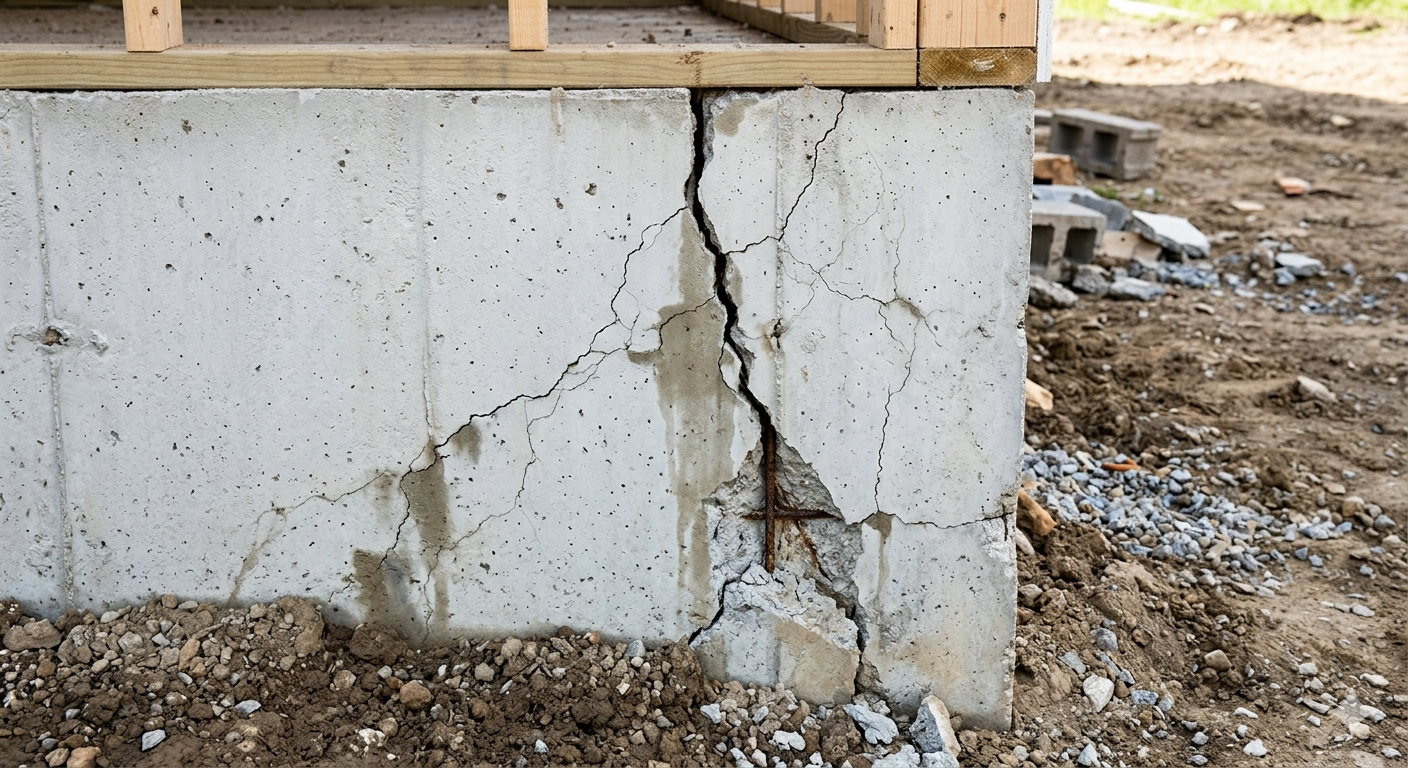
Most models don’t fail visibily. They fail quietly.
Real estate investment models rarely “break” in an obvious way.
—> They produce outputs.
—> They calculate returns.
—> They support decisions.
On the surface, everything works. But underneath, many models are far more fragile than teams realize.
—> Small changes require manual updates across multiple layers.
—> Key assumptions live in different places.
—> Scenarios take hours to run, so they’re simplified or skipped altogether.
And over time, confidence in the numbers becomes conditional. Not because the team lacks expertise. But because the infrastructure cannot keep up with it.
Fragility isn’t a technical issue. It’s a decision-making risk.
Fragile models don’t just slow teams down. They change how decisions are made.
—> When updating a model is time-consuming, teams update less frequently.
—> When scenarios are hard to run, fewer alternatives are explored.
—> When outputs are difficult to trace, assumptions go unchallenged.
Over time, this leads to a subtle but critical shift: Decisions are no longer driven by the best possible insight. They are driven by what is practical to model. That gap is where risk enters.
Where fragile models show up in practice
1. Delayed decisions
When a simple assumption change requires hours of rework, decisions get pushed. Not because the question is complex. But because the model is.
In fast-moving markets, delays are not neutral. They mean missed opportunities or reacting too late.
2. Reduced scenario coverage
Most teams know they should run more scenarios. But in practice, they don’t. Instead of exploring 20 or 50 variations, they test 2 or 3. Instead of modeling full fund impact, they focus on a single asset. Not because they don’t see the value. But because the effort doesn’t scale. The result is a narrower view of risk and return.
3. Hidden inconsistencies
In fragmented models, assumptions drift.
—> A rent growth assumption is updated in one place, but not another.
—> A cost input changes, but linked calculations don’t fully reflect it.
Over time, different versions of the “truth” emerge. And once that happens, alignment across teams becomes difficult. Not due to disagreement, but due to inconsistency.
4. Limited auditability
As models grow more complex, tracing outputs becomes harder.
—> Where did this number come from?
—> Which assumptions drove this result?
—> What changed compared to last week?
If these questions take time to answer, they are asked less often. And when they are not asked, risk goes unnoticed.
The compounding effect
Each of these issues could be manageable on its own. But together, they compound.
—> Fewer scenarios lead to less insight
—> Delayed updates lead to outdated assumptions
—> Inconsistent inputs lead to unreliable outputs
—> Limited traceability reduces confidence
At that point, the model is no longer a source of clarity. It becomes a constraint on decision-making.
Why this problem persists
Most teams are aware of these limitations. They have experienced them repeatedly. Yet the underlying setup often remains unchanged.
Why?
Because the focus is on improving the model itself. Adding complexity. Extending logic. Working around limitations. But fragility is not solved by improving the existing structure. It requires a different approach to how models are built and maintained.
What changes when the model is no longer fragile
When fragility is removed, behavior changes.
—> Models are updated more frequently because changes are easy to implement.
—> Scenarios are explored more broadly because they can be run at scale.
—> Assumptions are challenged because outputs are transparent.
As a result, decisions improve. Not because teams suddenly become more skilled. But because their infrastructure finally supports how they already think.
From maintenance to insight
In many investment teams today, a significant portion of time is spent maintaining models. Updating inputs. Fixing links. Rebuilding scenarios. Time that could be spent analyzing outcomes and making decisions. Reducing fragility shifts that balance.
Less time maintaining.
More time understanding.
More time deciding.
A structural limitation, not a temporary inefficiency
This is not a short-term inefficiency that can be optimized away. It is a structural limitation in how many models are built and used today. And as portfolios grow and decisions become more complex, that limitation becomes more visible.
The Real Impact
Fragile models don’t just create inefficiencies. They shape decisions.
—> They limit what gets analyzed.
—> They delay what gets decided.
—> They hide what should be questioned.
And in an environment where small differences in judgment can materially impact outcomes, that influence is too significant to ignore.